What to Do When Allergies Won’t Let Up
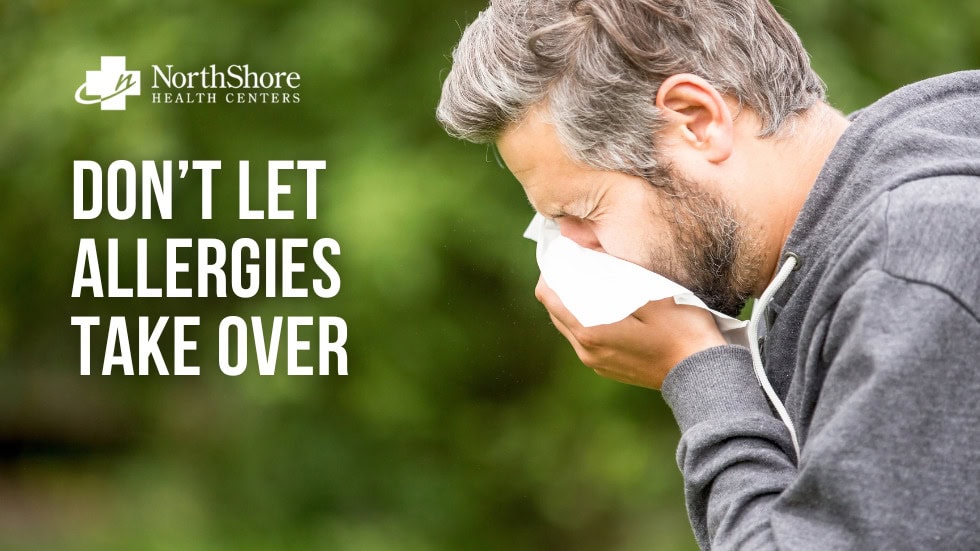
If it feels like your allergies are hitting harder than usual, you’re not imagining it. Warmer weather brings higher pollen levels from trees and grass. For many people, that means ... Read more


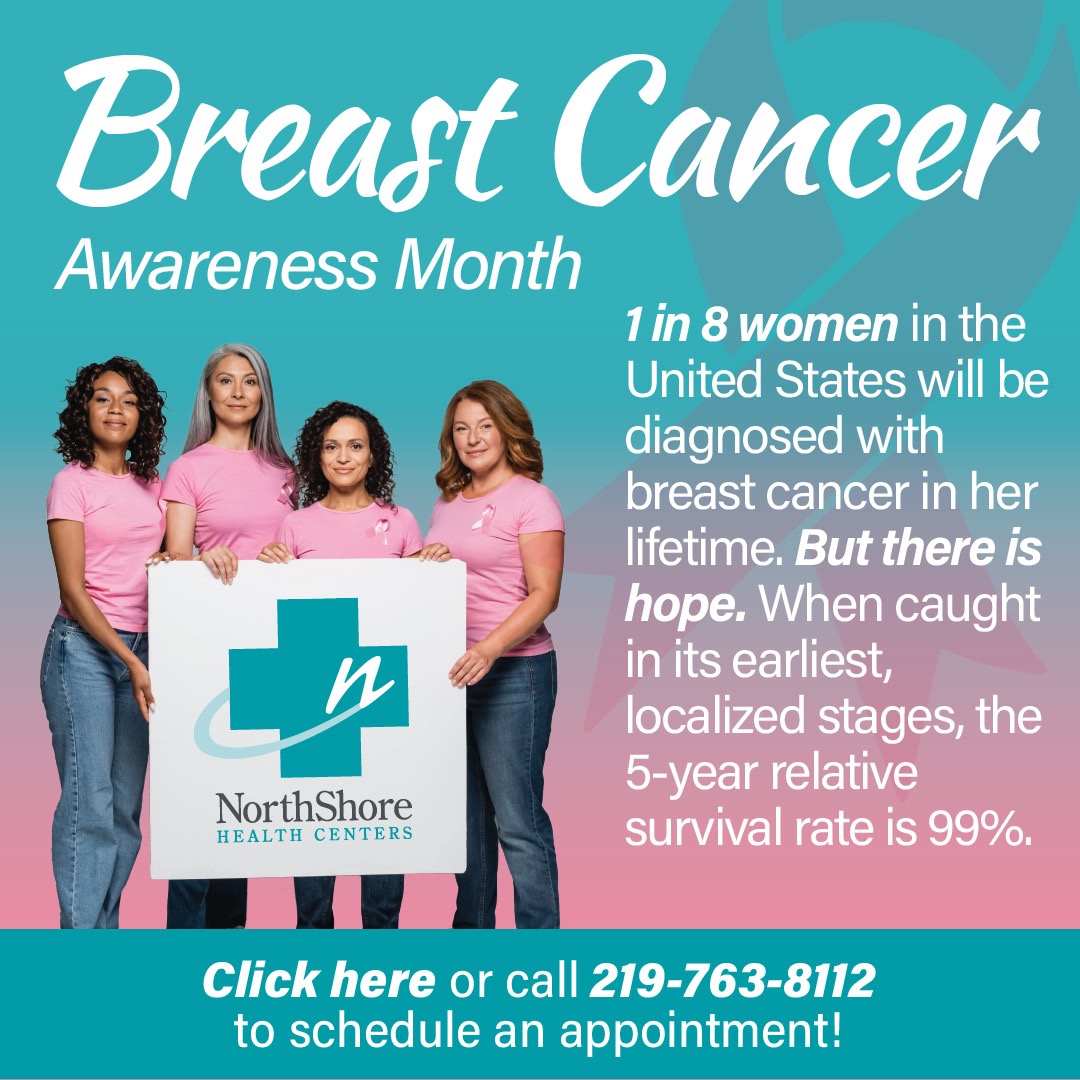
Every October, we hear the reminder: “Get your mammogram.” It’s important advice and not something to ignore. Awareness is about more than just a reminder. Let’s talk about a few things you may not know about breast cancer and mammograms.
Regular exercise, maintaining a healthy weight, and limiting alcohol can all help lower breast cancer risk. The CDC notes that drinking alcohol raises your risk of getting several kinds of cancer, not just breast cancer, so moderation is key.

Most women begin mammograms at age 40, but if you have higher risk factors, your provider may recommend starting sooner.
Most breast changes turn out to be benign, but it’s always best to get them checked to be sure.

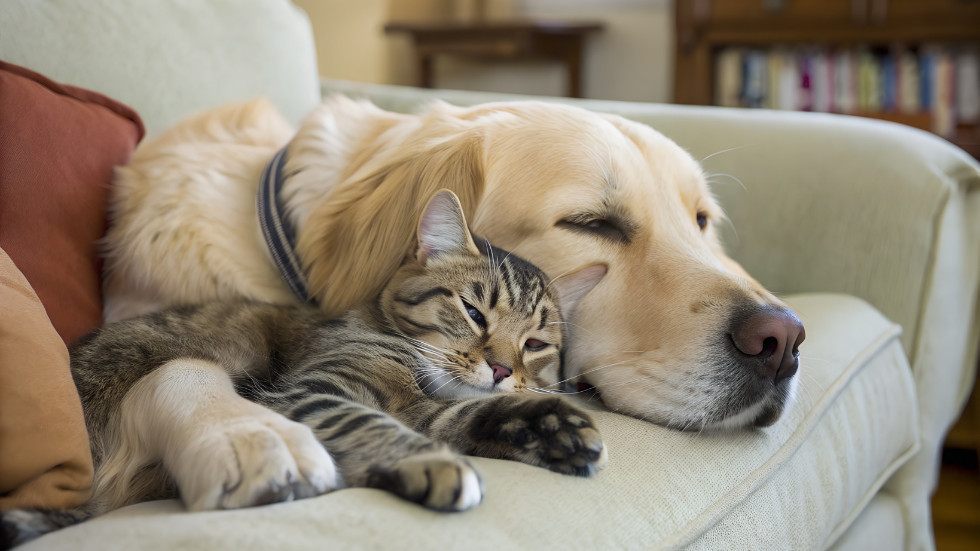
Cats and dogs can get it too. Regular vet checkups help protect your fur babies, just like you protect yourself.
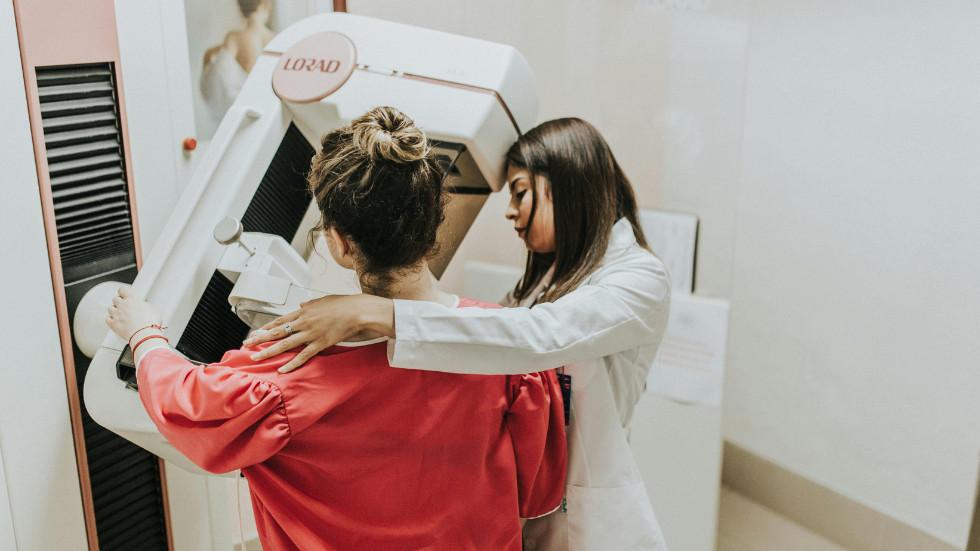
Mammograms remain one of the best tools we have for early detection. The process is quick, safe, and can give you peace of mind. This October, schedule an appointment and talk with your provider about when to start screening.